Sludge Treatment
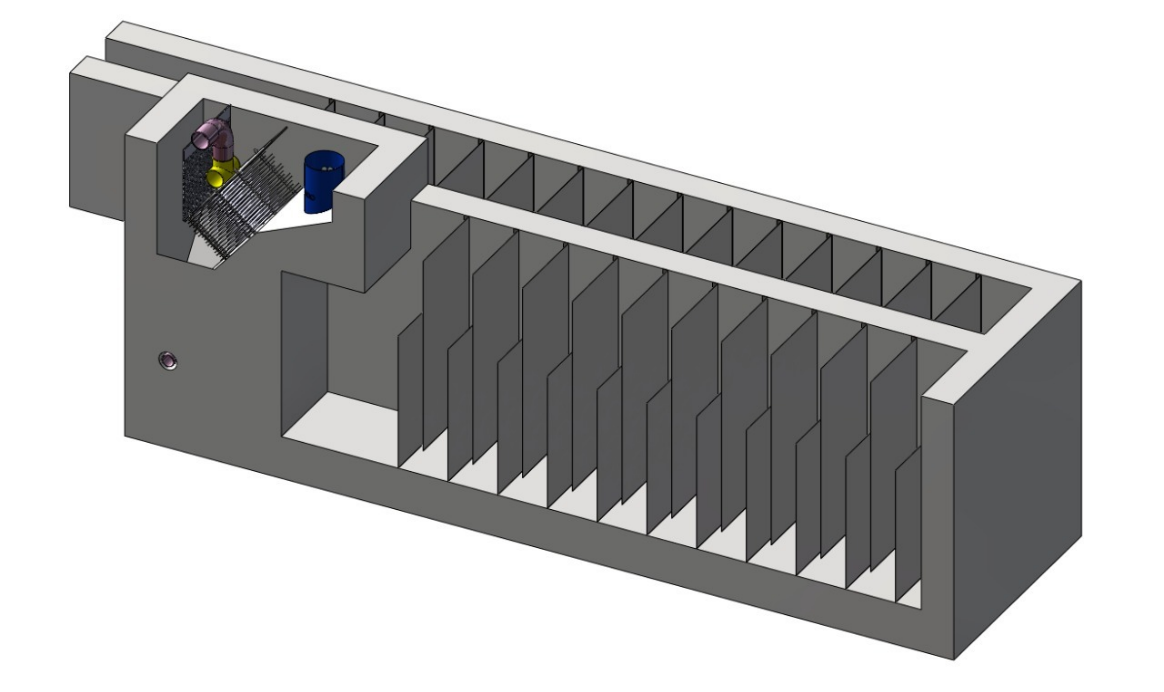
Sludge is the liquid residue that contains the solids removed from the water through the purification treatment of the water and comes from two processes, sedimentation (after coagulation-flocculation) and filtration, because of backwashing of the water. filters. For many years, this sludge was evacuated from the PTAP, returning it to the river, and this practice is still maintained in many countries. However, under the current demands for environmental protection, a good number of countries carry out an integral management that includes pumping of sludge, thickening of sludge and drying of sludge.
Sludge pumping
The sludge is pumped from the settlers and filters into a mixing chamber, where it must be homogenized, before being re-pumped to the thickening process and from there, sent to the dewatering (drying) system. Additionally, the thickening and dehydration water must be carried back to the head of the plant.
Thickener
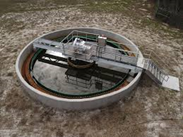
By thickening the sludge, a volume reduction of approximately 30-80% is achieved before any other treatment, which will make the dewatering phase more economical.
The sludge thickener consists of a continuous separation equipment in which the suspended solids can settle, producing an overflow of clarified water and a concentrated mud at the bottom.
Sludge drying beds
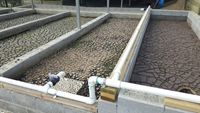
For smaller plants (population of less than 100,000 inhabitants or flow rate of 240 L / s), filter beds of sand and gravel are normally used, which form ponds with a permeable bottom through which the sludge drains and on the surface, a “cake” of sludge remains that is removed manually.
Band filter
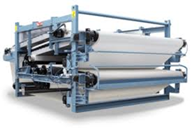
For larger plants than those described above, mechanical sludge drying systems are used, such as band filters.
Final disposal of sludge
The most frequent form of final disposal is the burial of the sludge, generally on the premises of the PTAP; on other occasions, due to lack of space or in compliance with regulatory stipulations, it will be necessary to take the dried sludge to a sanitary landfill.