Disinfection
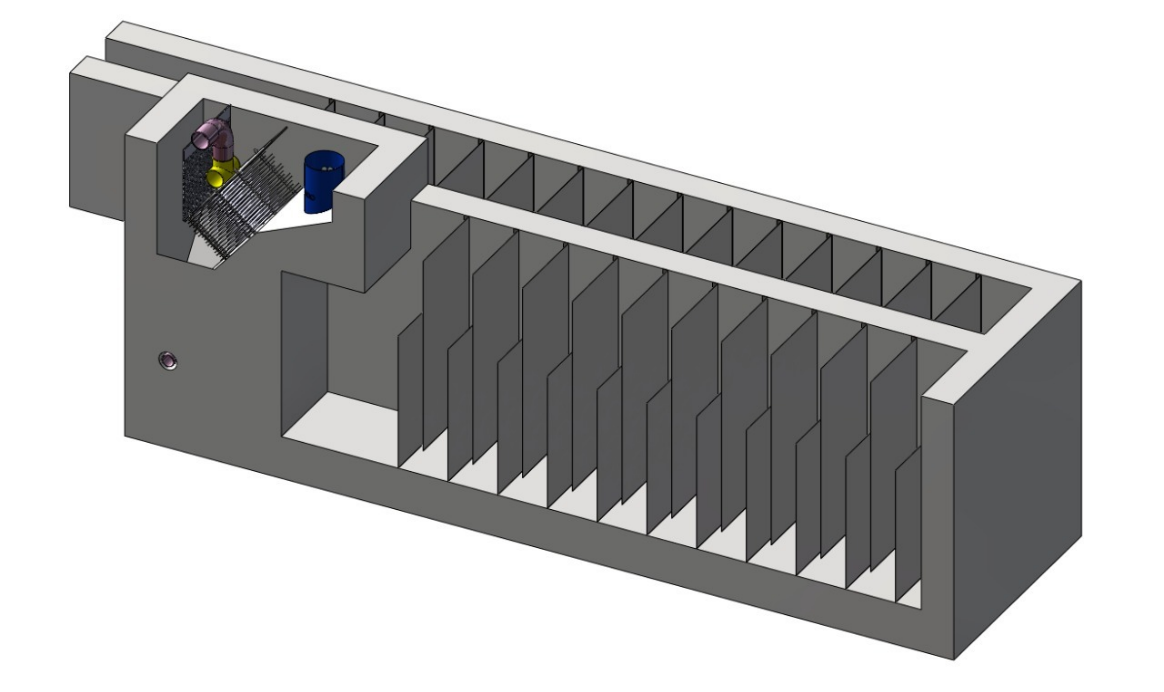
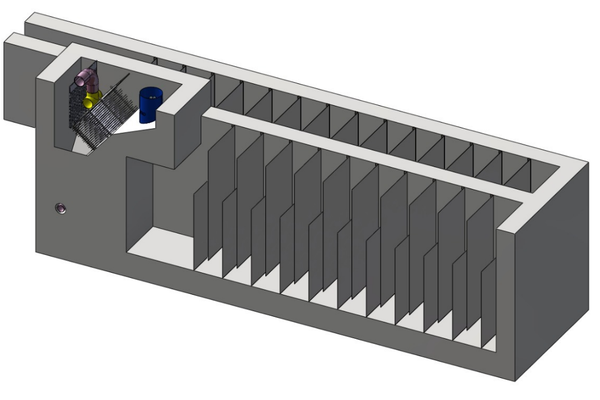
In disinfection, a disinfectant agent is added to the water already treated to inactivate the microorganisms present in it that may have adverse effects on the people who consume them. Among these disinfectant agents we can find the use of chlorine, ozone, and ultraviolet light. Of these disinfectant agents, the most common around the world is chlorine, both because of its ease of finding it, and because part of it is dissolved in the water, hence in the event of a possible re-contamination after the water leaves the plant, it could still inactivate part of the new organisms, a situation that is not achieved either with ozone or with ultraviolet light, these only being effective at the point where they are used.
Chlorine gas
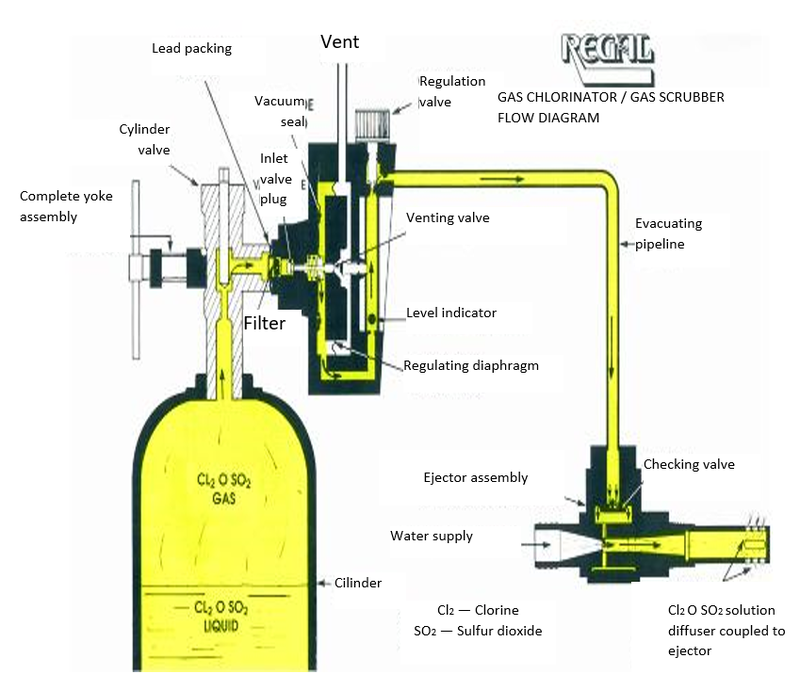
Gaseous chlorine is one of the most common forms in which chlorine is found This is via pressurized tanks of Cl2 chlorine. The gas is dosed directly into the water at the end of the plant and allowed to settle in a contact chamber so that the chlorine can take effect. It is a relatively simple method, but it is prone to leakage of the gas, which is extremely toxic, so its use requires special care.
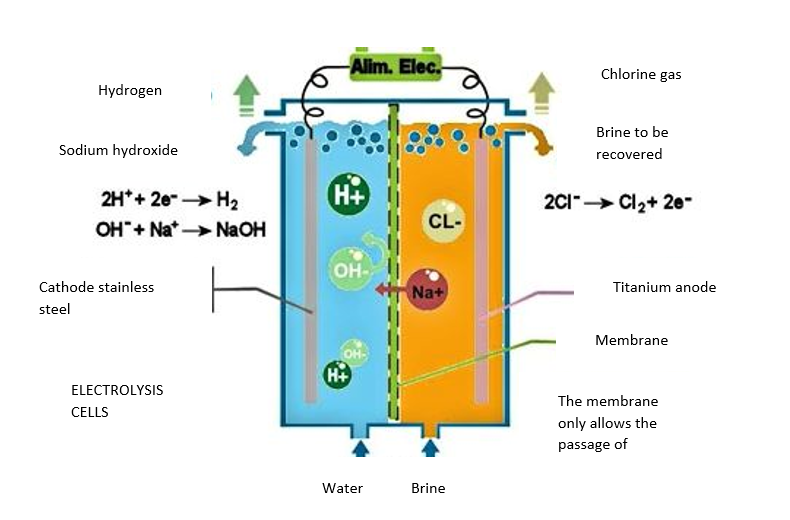
An alternative to chlorine gas that presents less risks is the generation of chlorine at the same dosing point. This is accomplished with common salt (NaCl) and by-passing electricity through it. This generates a reaction where chlorine Cl2 is produced and then dosed into the water. It has the advantage of using a cheap raw material such as salt, in addition to always producing only the necessary chlorine, so that in the event of a leak the impact will be less.