Biophysical variables
Biophysical variables refer to the characteristics, occurrence, distribution, circulation, and physical, chemical, and mechanical properties in nature.

Access methodological guides, glossaries and key concepts to support your projects
Biophysical variables refer to the characteristics, occurrence, distribution, circulation, and physical, chemical, and mechanical properties in nature.

Land use comprises "the actions, activities and interventions that people carry out on a certain type of surface to produce, modify or maintain it" (FAO, 1997a; FAO / UNEP, 1999).

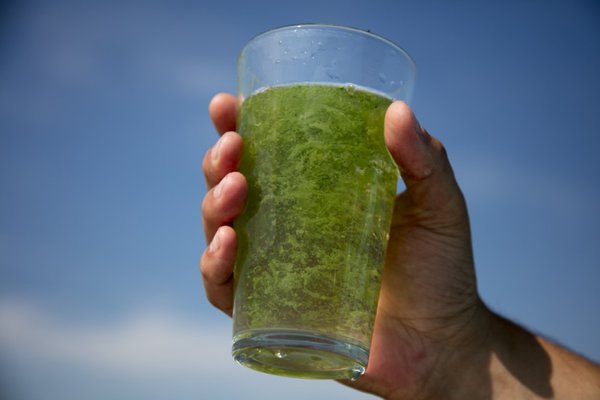
Water has a series of characteristics that make it a unique and irreplaceable solvent in the biosphere. It is an odorless, colorless, tasteless and transparent substance. Knowing the characteristics of water is of great importance to bette…

It refers to the representation of the different climate futures, all of which are considered possible depending on the volume of greenhouse gases (GHG) emitted in the coming years.

Global Circulation Models of the Atmosphere (GCM) are mathematical algorithms that represent the Earth's climate system.

Climate Change is a significant and lasting change in local or global climate patterns. The causes of this change can be natural, such as, for example, variations in the energy received from the sun, volcanic eruptions, changes in ocean ci…

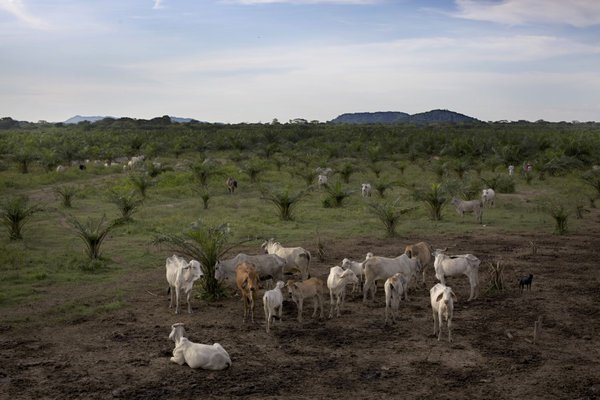
Pasture and pasture management is defined as the practice of growing healthy pastures and related vegetation to profitably preserve forage availability and livestock production while ensuring the health of the environment.

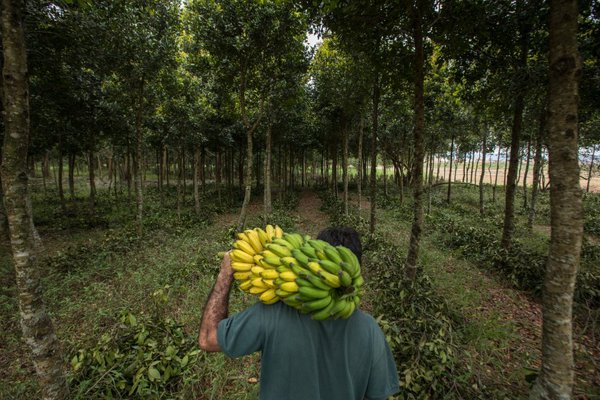
Agroforestry activities are defined as a series of land-use technologies in which trees are combined with agricultural crops and/or pastures, to increase and optimize production in a sustained manner. The planting of forest crops and trees…

Nature based Solutions refers to all actions to protect, sustainably manage and restore natural or modified ecosystems that effectively and adaptively address societal challenges while simultaneously providing benefits for human well-being…

Ecosystem services are those benefits that an ecosystem provides to society and that improve people's health, economy and quality of life. Environmental or ecosystem services are those services that result from the functioning of ecosystem…