Pasture management
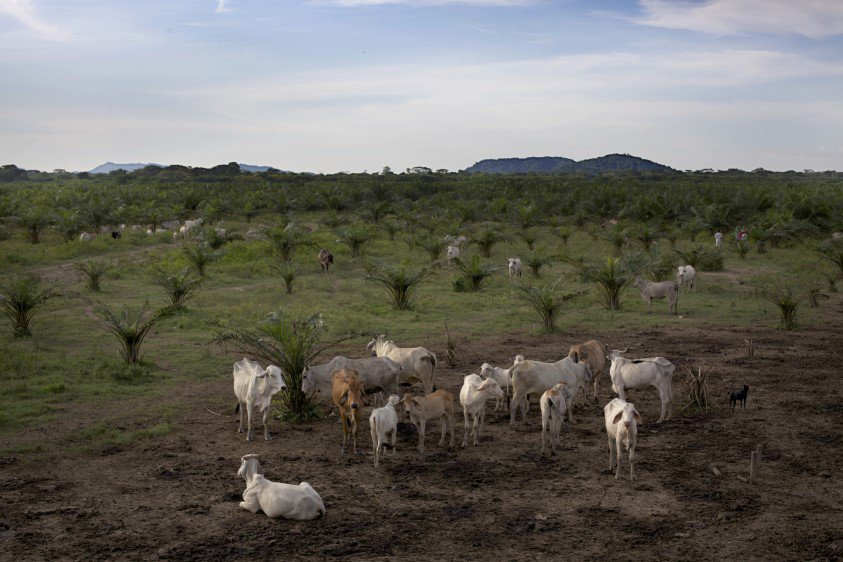
Pasture and rangeland management practices include strategies that help to conserve and strengthen native grasses, resulting in increased forage production, restoration of soil quality and quantity, strengthening of plant communities and lower overall operating costs.
Well-managed pastures and rangelands contribute greatly to the sustainability of livestock operations and the health of adjacent ecosystems. [1]. This is achieved through practices such as continuous change of use of the pasture area using small grazing paddocks and the use of paddocks for a short period of time. Direct incentives can also be established for landowners to change their behavior in the management of pastures and grazing areas, through educational tasks, reducing livestock population densities, and rotating pastures.
Rangeland management has two objectives: (1) to obtain maximum, sustained and economical livestock production, and (2) to conserve and/or enhance the related natural resource. Scientific rangeland management is based on the premise that rangelands can be improved and grazed in perpetuity by domestic livestock and that, at the same time, high-quality watershed, wildlife, recreation, and, where appropriate, forest products can be obtained.
To achieve this first objective, the manager must not only plan and direct the utilization of grazing land for maximum production but must also ensure that the forage is efficiently converted by the animals into products suitable for consumption, on a sustainable basis [2].