Land Use
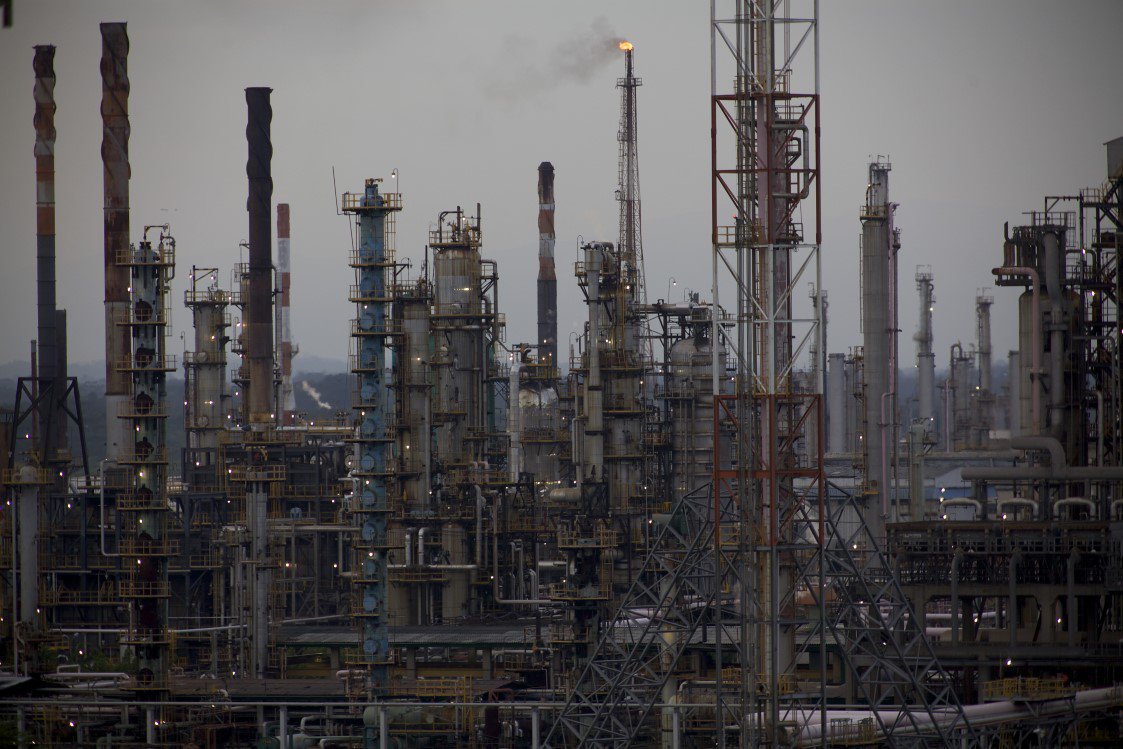
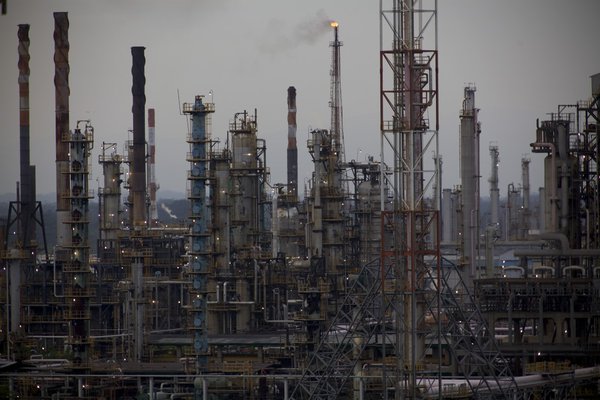
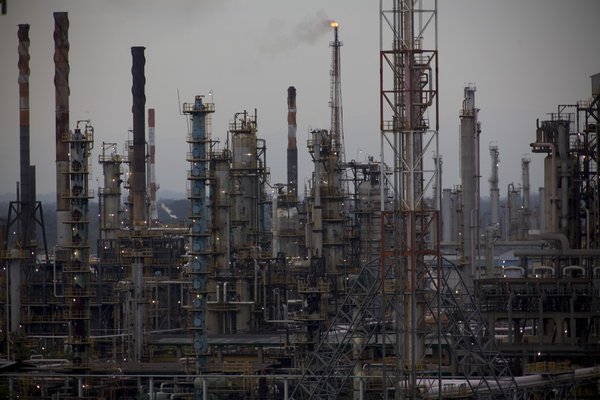
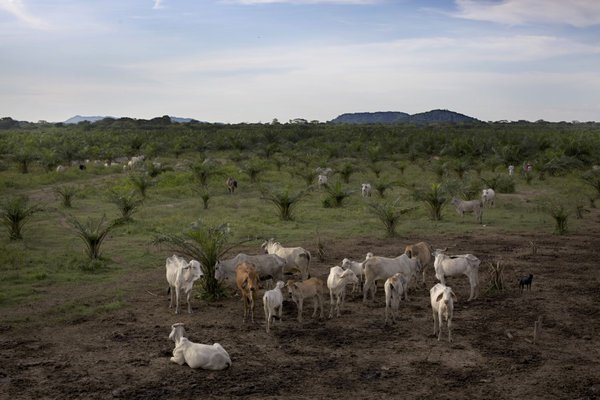
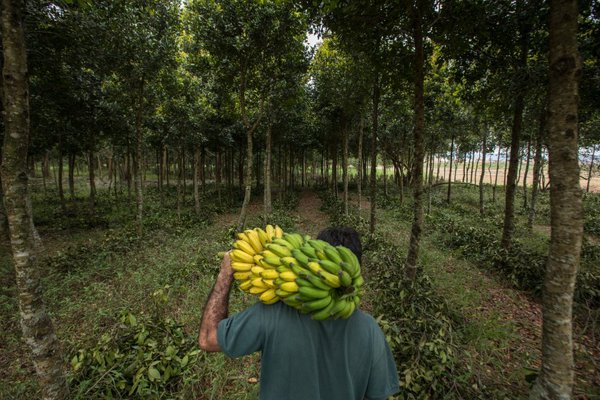
Land use refers to the products and / or benefits obtained from its use, as well as the land management actions (activities) carried out by human beings to produce those products and benefits.
Understanding land use generally refers to being able to determine the purpose of activities undertaken, their location, the quantification of their areas, and the underlying reasons for the current land use. Soil is also of particular importance in the hydrological behavior of the basins by controlling the processes of runoff, infiltration and erosion.
Land use planning is carried out and regulated by administrative bodies in order to avoid conflicts, through land use plans based on zoning or land division where land use is determined.
Research on land use change processes (identification and analysis of the factors and impacts on ecosystems), include, in addition to the characterization and diagnosis of the various covers (natural and artificial), land uses that comprise a certain territory. For its identification, a classification and its respective legend are used to describe the systematic scheme with the names of the classes and the criteria used to distinguish them.